
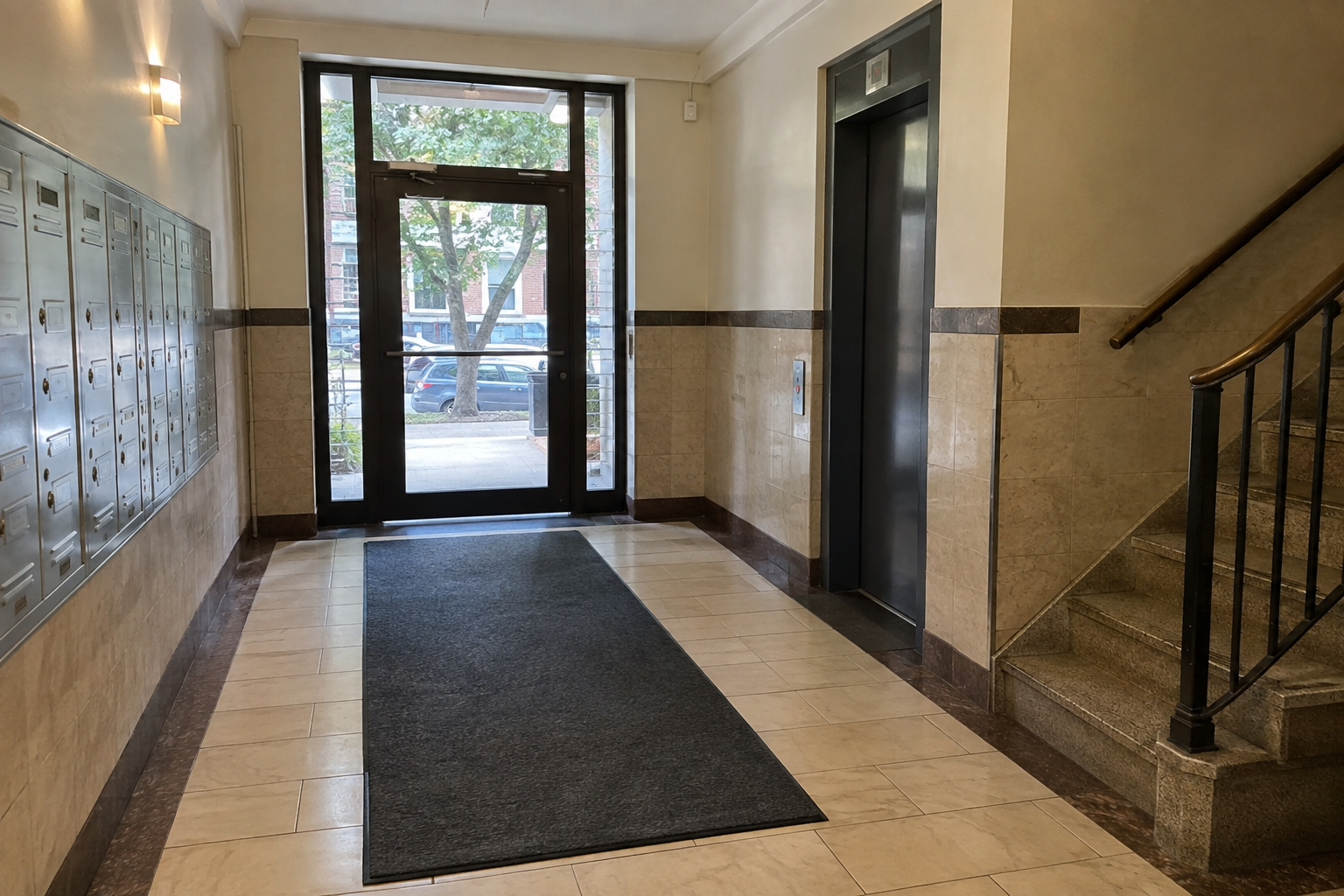
A clean apartment building does more than make a good first impression. It helps residents move through shared spaces comfortably, gives visitors confidence, and makes everyday maintenance issues easier to notice. In Jackson Heights, where properties range from elevator buildings to smaller walk-ups, a useful common-area plan must match the building’s layout, traffic, and priorities.
Ready to plan your cleaning?
Review office & commercial cleaning services and confirm your rooms, priorities and timing.
Effective apartment building cleaning in Jackson Heights is not simply a longer version of apartment cleaning. Common areas have different surfaces, higher foot traffic, and responsibilities that require a clearly defined scope. The following plan can help property managers, boards, supers, and owners organize reliable service without overlooking the spaces residents use most.
Define the Cleaning Scope by Area
Start with a written list of every shared space included in service. A typical scope may cover the entrance, vestibule, lobby, elevator, interior stairs, landings, hallways, mail or package area, laundry room, and accessible shared restroom. Exterior steps or a refuse room may be added when appropriate.
For each area, identify the surfaces and expected tasks. “Clean the lobby” is vague. A clearer direction might include vacuuming or mopping the floor, spot-cleaning entrance glass, wiping approved touchpoints, dusting accessible ledges, and straightening lightweight lobby furniture. Specific language makes quality easier to evaluate.
Separate Cleaning From Building Maintenance
Cleaning teams can remove ordinary soil and report concerns, but they should not be expected to perform repairs. A loose handrail, leaking pipe, broken tile, failed light, pest activity, or damaged door closer belongs on a maintenance report. That distinction helps the cleaner flag problems promptly while keeping repair work with the appropriate professional.
Begin Where Outdoor Soil Enters
The entrance usually collects the most visible dirt. Grit, leaves, rainwater, and street residue can move from the sidewalk through the vestibule and onto lobby floors. In a busy Queens building, controlling that soil early can reduce the amount carried upstairs.
Use entrance mats sized for the space, keep them flat, and vacuum both the mat surface and the edges where debris gathers. Hard floors should be dust-mopped or vacuumed before damp cleaning so abrasive particles are lifted instead of dragged. Glass doors can be spot-cleaned for fingerprints, while frames and thresholds receive attention on a scheduled rotation.
Wet-weather service should include an extra check for slippery floors. Place appropriate caution signs during cleaning and follow the building’s approved procedures for water near entrances. A quick response to tracked-in moisture can matter more than polishing an already-clean corner.
Keep Lobbies, Mail Areas, and Package Zones Orderly
Lobby cleaning should follow a high-to-low sequence: accessible ledges and fixtures first, furniture surfaces next, and the floor last. This prevents dust from falling onto a freshly cleaned floor. Product choices should be compatible with stone, wood, metal, painted surfaces, or other finishes present in the building.
Mail and package areas require care and restraint. Clean accessible shelving, counters, and surrounding floors without moving residents’ mail or opening packages. If deliveries block a walkway or prevent service, report the condition to building management instead of rearranging personal property. The same rule applies to strollers, carts, shoes, and other belongings left in common areas.
Give Elevators a Consistent Routine
Elevators concentrate fingerprints, floor debris, and scuff marks in a compact space. A routine visit may include vacuuming tracks without forcing debris into the mechanism, cleaning the floor, wiping interior doors and approved touchpoints, and polishing compatible metal surfaces with the grain.
Avoid spraying liquid directly onto buttons or control panels. Apply an approved product to the cloth when the manufacturer’s directions allow it, and prevent excess moisture from entering electrical components. Mirror and glass surfaces should be cleaned edge to edge so streaks do not become the most noticeable feature of the cab.
Clean Stairs and Hallways Safely
Stairs and hallways need a top-to-bottom workflow that keeps the exit path usable. Begin with landings, ledges, corners, and handrails, then address steps and floors. Vacuum attachments can help capture dust along baseboards and stair edges before damp cleaning.
Choose tools that fit narrow spaces and avoid leaving cords, buckets, or equipment across a resident’s path. In a walk-up, it may be practical to complete one section at a time. In a larger building, cleaning during lower-traffic periods can reduce interruptions while still preserving safe access.
Match Shared Rooms to Their Actual Use
Laundry Rooms
Laundry rooms collect lint, detergent drips, dust, and stray items. A common-area plan can include floors, accessible machine exteriors, folding counters, sink surfaces, and waste containers. The team should not open machines, handle abandoned clothing, or attempt appliance repairs unless those actions are specifically authorized.
Refuse and Recycling Areas
Where the scope includes a refuse room, define who removes bags, replaces liners, breaks down cardboard, and cleans spills. Ordinary cleaning products are not suitable for every substance. Needles, bodily fluids, chemicals, or unidentified hazardous material should be isolated and reported for specialized handling under the building’s procedures.
Use a Practical Touchpoint Strategy
Door handles, push plates, elevator buttons, railings, and laundry-room handles receive frequent contact, but more product is not automatically better. The building should approve products that are suitable for each surface and provide any required dwell time. Mixing chemicals or using an unapproved disinfectant can damage finishes and create unnecessary risk.
Routine soil removal remains essential. A visibly dirty surface should be cleaned before any disinfecting step that is part of the agreed service. Cleaning cloths should be changed as needed, and tools used in refuse or restroom areas should not move directly into the lobby or laundry room.
Build a Schedule Around Traffic and Weather
Frequency should reflect how the building operates. A lobby used by many households may need attention more often than a quiet upper-floor landing. Package areas can become busier in the evening, laundry rooms may have weekend peaks, and entrances may need extra checks during rain or seasonal leaf fall.
A useful plan combines routine tasks with rotating details. Floors and entrance glass may be addressed frequently, while high ledges, baseboards, wall marks, vents, and door frames follow a weekly, monthly, or condition-based rotation. This structure keeps daily priorities manageable without allowing less-visible buildup to become permanent.
Document Results and Report Exceptions
A short checklist creates accountability. It can record the date, completed areas, supply needs, access problems, and conditions requiring management attention. Photos may be helpful when permitted, but they should avoid residents, mail, access codes, or other private information.
Quality checks should focus on the written scope: Are floors free of loose debris? Is entrance glass reasonably clear? Are elevator tracks and corners addressed? Were blocked areas reported? Consistent standards are more useful than subjective instructions such as “make it sparkle.”
Request Apartment Building Cleaning in Jackson Heights
Crystal Breeze Cleaning provides commercial cleaning support for apartment-building common areas in Jackson Heights. Share the property layout, entrance and elevator details, included shared rooms, surface finishes, traffic patterns, access rules, and preferred schedule so the scope can be discussed clearly.
Request a cleaning quote at crystalbreezecleaning.com or call (516) 789-2767 to discuss a common-area cleaning plan for your property.
Ready to plan your cleaning?
Review office & commercial cleaning services and confirm your rooms, priorities and timing.