
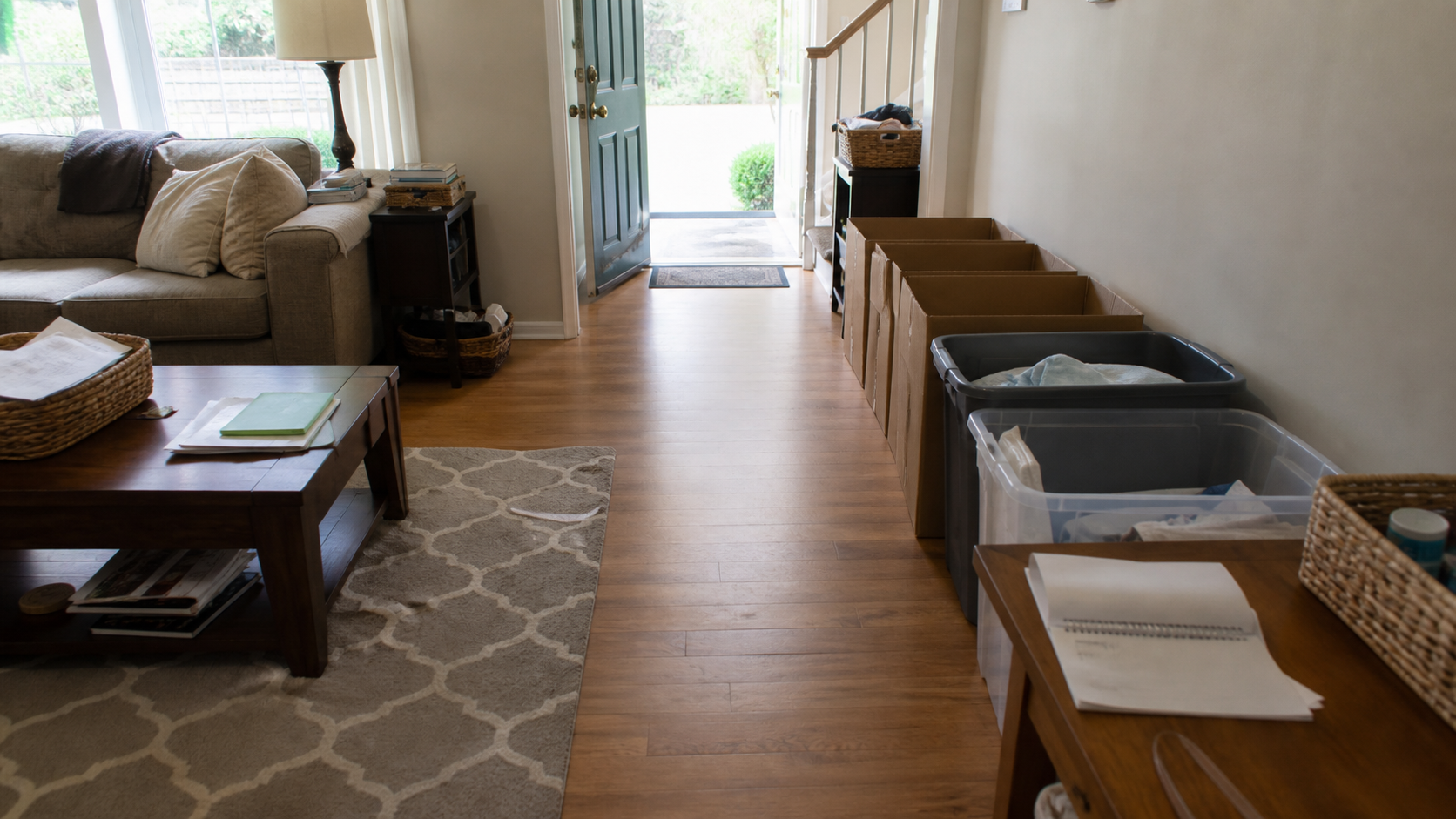
A cluttered home can become difficult to clean because floors, counters, sinks, and furniture are not fully accessible. The first goal should not be to make every room perfect in one day. It should be to create a workable plan that respects the people living in the home and makes steady progress possible.
Ready to plan your cleaning?
Review clutter & hoarding cleanup services and confirm your rooms, priorities and timing.
A thoughtful plan for cluttered home cleaning in Freeport, NY begins with clear priorities, one decision-maker, and an honest description of the property. When everyone understands what may be moved, saved, donated, discarded, or left alone, the cleanup can proceed with fewer delays and less stress.
Start with the reason for the cleanup
Define what needs to change first. The priority may be creating a clear path to an exit, making a bathroom usable, preparing for a repair, opening the kitchen for meal preparation, or making space for recurring cleaning. A specific goal is easier to complete than a general instruction to “clean everything.”
Write down the top three outcomes for the first visit. If the home has several crowded rooms, choose one essential area and one connecting walkway. Visible progress in a useful space can help the household decide what should happen next.
Choose one authorized decision-maker
Select one person who can approve the work, answer questions, and make decisions about belongings. Other family members can share requests before the appointment, but the cleaning team should not receive conflicting instructions from several people during the visit.
The decision-maker should identify objects that must never be discarded, rooms that are restricted, and categories that require review. If the resident and the person arranging the service are different people, both should understand the agreed scope before work begins.
Describe the condition accurately
Share the number of rooms, floors, occupants, pets, accessible entrances, working utilities, and approximate amount of clutter. Explain whether floors, counters, sinks, tubs, appliances, and toilets are reachable. Photos can help the company estimate the team size, supplies, time, and disposal needs.
Disclose conditions that may require specialized services, including needles, chemicals, sewage, extensive mold, pest contamination, animal waste, or structural damage. Those concerns may need an appropriately trained or licensed provider before ordinary cleaning can continue.
Information to provide when requesting a quote
- Priority rooms and the desired result for the first visit.
- Areas that are blocked, unsafe, or restricted.
- Items that may be discarded without individual approval.
- Parking, building access, elevator, and loading instructions.
- Whether hauling, donation transport, or a container is arranged.
Create keep, donate, discard, and review zones
Set up clearly labeled areas or containers for items to keep, donate, discard, and review later. Keep the categories simple. Too many choices can slow the process and create new piles that are difficult to manage.
The cleaning team should not decide whether personal property is valuable. Mail, photographs, documents, medication, jewelry, cash, keys, collectibles, and electronics should go to a review area unless the authorized person gives specific instructions.
Clear a working path first
Begin at the primary entrance and establish a continuous path to the priority room. Keep exits, stairs, electrical panels, heating equipment, and important fixtures accessible. Do not stack items where they can fall into the walkway.
Use stable containers and avoid overfilled bags. Heavy items belong in smaller loads that can be moved safely. If a floor feels weak, a ceiling is damaged, or shelving is unstable, stop work in that area and contact the appropriate property professional.
Work in small, defined sections
Divide the room into manageable areas, such as one counter, one wall, one section of floor, or one piece of furniture at a time. Finish the selected section before opening another. This keeps sorted items from spreading back across the room.
Use a simple sequence: remove approved trash, relocate items marked for keeping, remove loose debris, and then clean the exposed surfaces. Cleaning too early may waste time because dust and debris will fall again as more items are moved.
Separate sorting time from cleaning time
Sorting requires decisions; cleaning requires access. If many objects need individual review, schedule enough decision-making time before expecting a full room cleaning. A team cannot clean a counter that remains covered with belongings or a floor that is still blocked.
For a time-limited appointment, decide whether the priority is removal and sorting or actual surface cleaning. Combining both may be possible in a small area, but an entire home often needs multiple phases.
Protect documents, medication, and valuables
Create a secure place for identification, financial records, legal papers, prescriptions, medical equipment, cash, jewelry, sentimental items, and keys. Ask the resident or family representative to handle these categories whenever possible.
Do not place important items in unmarked bags or boxes. Label containers on more than one side and maintain a simple list of where critical belongings were moved.
Plan disposal before work begins
Confirm where approved trash will go and who is responsible for removal. Check building, municipal, or property rules for bulky items, electronics, paint, batteries, medications, and other materials that may not belong in ordinary household trash.
Donation plans should also be realistic. Items need to meet the receiving organization’s guidelines, and pickup may require an appointment. Do not let donation bags block the newly cleared walkway while waiting for transport.
Clean exposed areas in the right order
Once belongings are removed from the selected area, begin with dry debris and dust, then address approved surfaces from higher areas toward lower ones. Floors are usually completed last. Use separate tools for kitchens, bathrooms, and general living areas.
Report damaged surfaces, leaks, loose fixtures, pest evidence, or strong odors rather than covering them with fragrance. Cleaning can remove ordinary soil, but repairs and remediation require the correct specialist.
Make the first visit achievable
A practical first appointment might restore one bathroom, open the kitchen sink and a preparation surface, clear the entry, or make one bedroom floor accessible. These outcomes are measurable and useful even when the rest of the property still needs attention.
Record what was completed, what remains, and what decisions are needed before the next visit. Consistent notes prevent the household from repeating the same discussion each time.
Build a maintenance plan after the reset
Once important rooms are accessible, use small routines to protect the progress. Assign a place for incoming mail, set a limit for donation items, remove filled trash bags regularly, and keep one clear surface in each priority room.
Recurring cleaning becomes more effective when floors, sinks, counters, and bathroom fixtures remain reachable. The plan can rotate lower-priority rooms while keeping essential spaces on every visit.
Request a respectful, realistic quote
Provide the full condition of the property, the first-visit priorities, the amount of sorting required, disposal arrangements, access details, and any safety concerns. A clear scope helps determine whether the job should be completed in phases and what preparation is needed.
To discuss cluttered home cleaning in Freeport, call Crystal Breeze Cleaning at (516) 789-2767 or visit crystalbreezecleaning.com to request a personalized quote based on the property’s condition, access, requested scope, and cleanup goals.
Ready to plan your cleaning?
Review clutter & hoarding cleanup services and confirm your rooms, priorities and timing.