
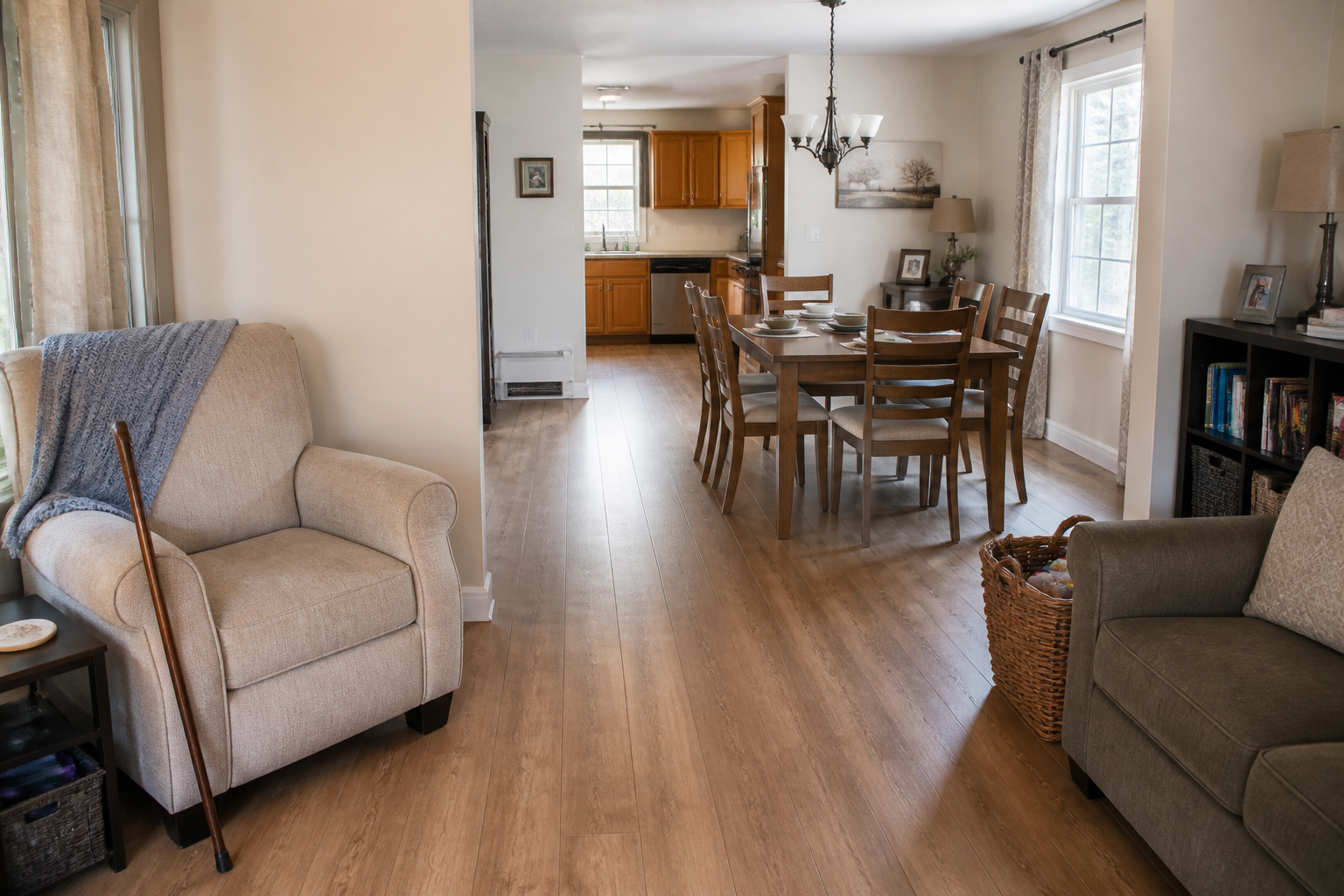
A multigenerational home can include grandparents, adult children, young children, caregivers, guests, and pets under one roof. More people do not simply create more cleaning. They create different schedules, privacy needs, storage patterns, surface preferences, and ideas about which rooms matter most.
Ready to plan your cleaning?
Review standard cleaning services and confirm your rooms, priorities and timing.
A useful plan for house cleaning for multigenerational homes in Floral Park, NY should make those differences visible before the appointment begins. The goal is to establish shared priorities, protect private spaces, and use the available cleaning time where it will help the household most.
Choose one household contact
Select one person to confirm the service, approve priorities, provide access, and answer questions during the appointment. Other family members can share requests with that contact beforehand. This prevents the cleaner from receiving conflicting instructions from several people.
The contact should know the agreed time, rooms included, service type, extras, and areas to skip. If someone else will meet the cleaner, send them the same information so the scope does not change unexpectedly at the door.
Separate shared and private zones
List the rooms everyone uses, such as the kitchen, main bathroom, living room, dining room, entry, hallways, and stairs. Then identify private bedrooms, offices, suites, or storage areas. Shared zones often receive the most traffic and may need to be completed first.
Private spaces should have clear rules. A closed door can mean “skip,” “occupied,” or “ask first,” but the cleaner should not have to guess. Use a simple room list or door note when different instructions apply.
Example room categories
- Priority shared rooms to complete every visit.
- Private rooms included only when accessible.
- Rooms that rotate between appointments.
- Restricted rooms that should always be skipped.
- Extras requiring advance approval and time.
Plan around quiet hours and daily routines
Ask whether anyone works overnight, attends virtual meetings, studies from home, naps during the day, or needs a room at a specific time. Vacuums, equipment, and movement through hallways can interrupt those routines. Share quiet periods before cleaning begins.
Sequence the work so occupied areas can be handled later or skipped. If someone needs the kitchen at noon, clean it earlier or after the meal period. If a bedroom must remain quiet, focus on another floor until access is available.
Give the kitchen one clear reset standard
A kitchen used by several adults can collect dishes, food containers, mail, medications, appliances, and personal groceries. Decide what household members must put away before the cleaning team arrives. Clarify whether dishes are excluded and keep the sink and agreed counters accessible.
Label food and medicine storage where appropriate, and do not ask cleaners to decide what should be discarded. Refrigerator interiors, oven interiors, and cabinet interiors can require additional time and should be confirmed when requesting the quote.
Kitchen preparation steps
- Contain dishes and clear the sink when dishes are not included.
- Move papers, medication, and personal items from work surfaces.
- Remove food from the stovetop and main preparation area.
- Identify delicate counters, cabinets, and appliance finishes.
- Agree on what may be discarded and what must remain.
Prioritize bathrooms by use
Bathrooms used by many people may need more frequent attention than a private half bath or guest bathroom. Confirm how many full and half bathrooms are included and which one should be cleaned first. Remove personal products from counters, tubs, showers, and floors when those surfaces are part of the scope.
Report leaks, loose fixtures, slow drains, damaged grout, or failed caulk to the appropriate repair professional. Cleaning can address ordinary soil and buildup but cannot correct a maintenance problem.
Protect medications, documents, and valuables
Secure prescriptions, medical supplies, cash, jewelry, keys, mail, financial records, and personal documents before service. In a busy household, small items may belong to different people and should not be moved without clear permission.
Use labeled baskets or drawers for items that must leave counters and floors. Avoid unstable piles or overfilled bags that can fall while nearby surfaces are being cleaned.
Create safe, accessible floor paths
Clear shoes, toys, mobility equipment, charging cords, pet items, and packages from the areas being vacuumed or mopped. Keep necessary equipment available to the person who uses it, but position it so the cleaner understands what may or may not be moved.
Secure loose rugs, unstable furniture, and fragile floor décor. Allow wet floors to dry before household members or pets return to the area. Tell the cleaner about specialty wood, stone, tile, vinyl, or other surfaces that require particular care.
Use rotating rooms when time is limited
A large household may not need every private bedroom detailed during every appointment. Keep the kitchen, primary bathrooms, entry, and main living areas on the regular list, then rotate lower-use bedrooms, offices, basements, or guest rooms.
Write the rotation down so everyone knows what to expect. If one visit focuses on the first floor and another includes additional bedrooms, the time and scope should reflect that plan. A partial cleaning should not be described as an entire-home reset.
Example rotation plan
- Every visit: kitchen, shared bathrooms, entry, and main floors.
- Visit one: upstairs bedrooms and hallway.
- Visit two: office, guest room, and additional living area.
- Visit three: selected basement rooms or lower-use spaces.
Keep organizing separate from cleaning
Cleaning and organizing are different tasks. If a bedroom, closet, or play area needs decisions about where belongings go, schedule that work separately or complete it before the cleaning appointment. Cleaners cannot know which family member owns an item or whether it should be stored, donated, or discarded.
For rooms that need both, organize first so shelves, floors, and furniture are accessible. If only a small amount of tidying is expected, define it clearly in advance.
Record surface preferences and restrictions
Older furniture, custom wood, natural stone, delicate wallpaper, specialty flooring, and family heirlooms may need specific care. Gather manufacturer instructions when available and tell the cleaning company which products or methods should be avoided.
Label items that should not be touched. Move fragile collections out of traffic paths, and do not expect cleaners to lift heavy furniture or complicated equipment unless that work was approved.
Review the plan after the first visits
The household may discover that one bathroom needs more time, a private room is rarely accessible, or a rotating area should become a regular priority. Review the scope with one family contact and make adjustments based on the actual condition and time used.
Specific feedback is most useful. Name the room and surface rather than saying the entire home needs more attention. If additional work is requested, confirm whether more time or a separate appointment is needed.
Request a quote with the full household picture
Provide the bedroom and bathroom count, approximate size, number of floors, service type, occupancy, condition, parking or access instructions, quiet hours, restricted rooms, and priority shared spaces. Explain whether the entire property or only selected rooms should be cleaned.
Crystal Breeze Cleaning provides house cleaning for multigenerational homes in Floral Park, NY. Call (516) 789-2767 for a personalized quote based on the home, requested scope, condition, and preferred frequency.
Ready to plan your cleaning?
Review standard cleaning services and confirm your rooms, priorities and timing.