
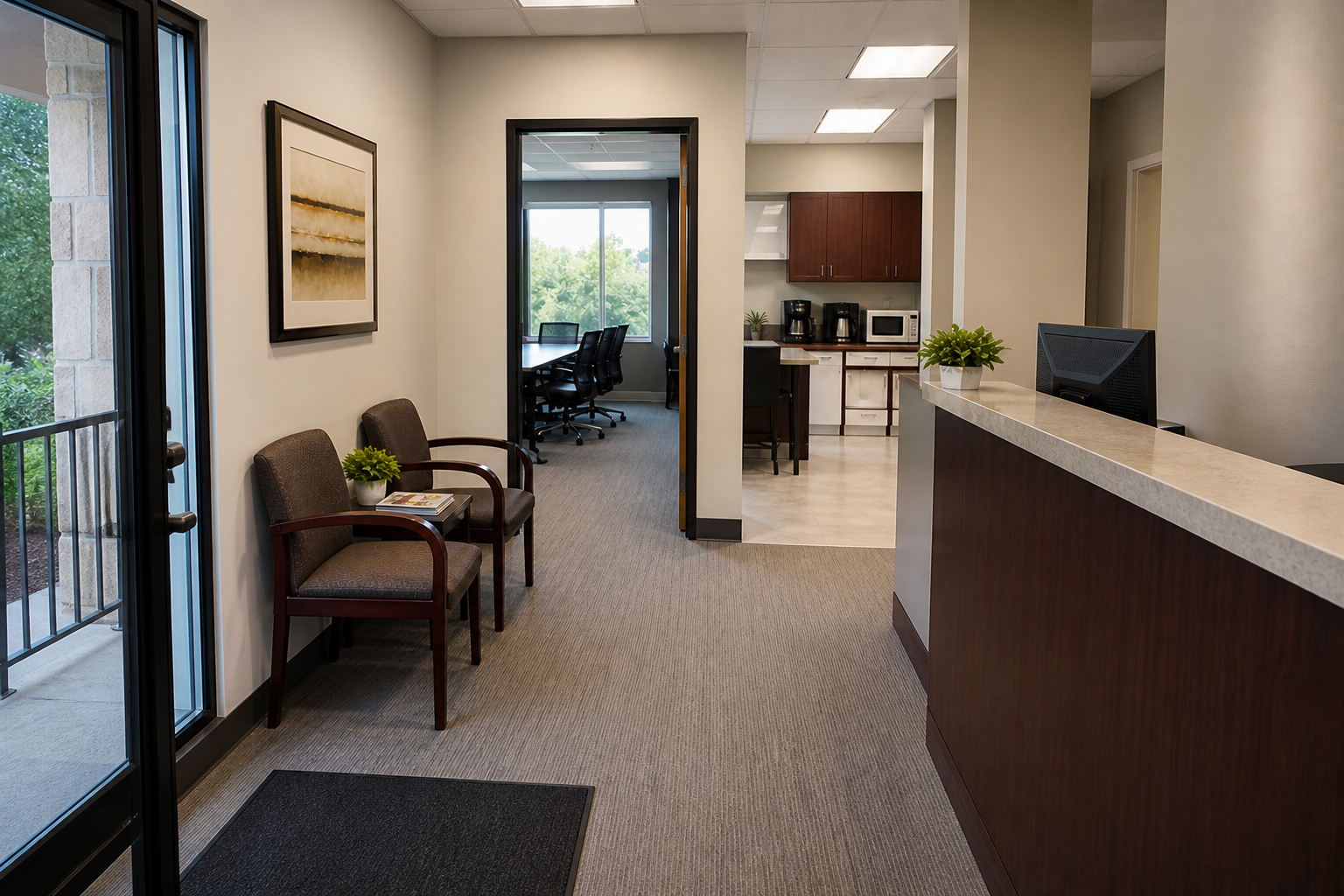
A clean workplace should support the workday, not interrupt it. In a busy office, cleaning has to fit around employees, visitors, meetings, deliveries, security procedures, and sensitive equipment. Without a clear plan, even necessary tasks can create avoidable noise, blocked walkways, or confusion about which areas are ready to use.
Ready to plan your cleaning?
Review office & commercial cleaning services and confirm your rooms, priorities and timing.
For businesses considering office cleaning in Mineola, NY, the most effective approach begins with a realistic scope and a schedule built around how the workplace operates. The goal is not simply to clean more often. It is to assign the right tasks to the right times so shared spaces stay comfortable and presentable without disrupting daily business.
Start with the flow of the workday
Before choosing a cleaning time, map the office’s normal rhythm. Note when employees arrive, when reception is busiest, when conference rooms are used, when lunch peaks, and when deliveries or client appointments are common. A schedule that works for a quiet professional suite may not suit a medical office, property-management office, or multi-tenant building.
Identify the periods when cleaners can reach work areas safely and efficiently. Some businesses prefer service before opening or after closing. Others need daytime maintenance for restrooms, kitchens, entryways, or high-traffic floors. A combination can work well when detailed tasks are completed during low-traffic hours and quick resets happen during the day.
Separate daily priorities from periodic work
Not every task needs the same frequency. Trash, restroom touchpoints, kitchen counters, and visible entry areas may need regular attention. Baseboards, detailed dusting, interior glass, vents, or low-use rooms may fit a weekly, monthly, or rotating plan.
Separating these categories prevents the routine visit from becoming overloaded. It also makes expectations easier to verify. The cleaning plan should identify what is addressed each visit, what rotates, and what requires separate approval or additional time.
Common routine priorities
- Empty agreed trash and recycling containers.
- Clean and restock designated restroom areas.
- Wipe agreed kitchen and break-room surfaces.
- Vacuum or mop accessible high-traffic floors.
- Address fingerprints on specified doors and interior glass.
- Reset reception and shared rooms within the approved scope.
Give reception special attention
Reception is often the first area employees, clients, vendors, and applicants see. Keep the floor path open, the front desk accessible, and visible surfaces free from unnecessary clutter. Cleaning cannot replace organization, so employees should remove confidential papers, packages, and personal belongings before service.
If the lobby remains active during cleaning, divide the work into sections. One pathway should stay available while another is vacuumed or mopped. Wet-floor signs and clear communication are important, especially near entrances where weather can add moisture or debris.
Plan conference rooms around meetings
Conference rooms can switch quickly from unused to essential. Share the meeting schedule when possible, and establish a rule for rooms with closed doors or active calls. Cleaning teams should know whether to wait, skip the room, or return later.
Employees can help by clearing cups, catering materials, papers, and cables after meetings. Cleaners can then focus on the agreed work, such as trash removal, reachable surface wiping, glass, and floors, instead of deciding which materials may be discarded.
Create a practical break-room system
Office kitchens and break rooms collect food residue, spills, dishes, packaging, and overflowing trash. Define where employee responsibility ends and the cleaning scope begins. For example, staff may be responsible for washing personal dishes and removing expired food, while cleaners handle agreed counters, sink surfaces, appliance exteriors, trash, and floors.
Refrigerator interiors, cabinet interiors, heavy grease, or large amounts of abandoned food may require additional time and advance approval. Labeling shared food and setting a regular employee cleanout day can prevent confusion.
Protect desks, devices, and confidential materials
Desks can contain computers, phones, paperwork, medication, keys, cash, and fragile personal items. Decide whether occupied desks are excluded, cleaned only when cleared, or limited to specific accessible surfaces. Do not expect cleaners to move confidential documents or reorganize workstations.
Keep cables secure and tell the cleaning company about equipment that should not be touched. Sensitive server rooms, storage closets, laboratories, file rooms, and executive offices may require restricted access or an authorized escort.
Use access instructions that work every visit
A reliable plan includes building entry, parking, elevator procedures, alarm instructions, keys, access cards, and a backup contact. If service occurs outside business hours, test the access process before the first appointment. Update the cleaning company promptly when codes, locks, security staff, or building rules change.
List rooms that are always excluded and rooms that require permission. Clear access rules reduce delays and help protect both the business and the cleaning team.
Match floor care to traffic and materials
Mineola offices may experience added entryway soil during rain, winter weather, landscaping activity, or nearby construction. Mats can reduce tracked-in debris, but they need regular attention and must remain flat and safe. High-traffic paths may need more frequent vacuuming or mopping than private offices.
Tell the cleaning provider about specialty flooring and any manufacturer requirements. Wood, stone, tile, vinyl, and carpet should not automatically receive the same products or methods. Schedule wet-floor work when areas can remain clear until dry.
Build a simple communication routine
Choose one primary contact who can approve scope changes, report concerns, and receive updates. When something needs attention, describe the exact room, surface, and issue instead of saying the entire office was missed. Specific feedback helps the team correct the right item.
For recurring service, conduct occasional walkthroughs to confirm that the scope still matches the workplace. Headcount, office layout, hybrid schedules, construction, seasonal traffic, or new tenants can change cleaning needs over time.
Information to provide when requesting a quote
- Approximate square footage and number of floors.
- Number of restrooms, kitchens, offices, and shared rooms.
- Normal business hours and preferred service window.
- Flooring types and any specialty surfaces.
- Access, parking, elevator, and security requirements.
- Desired frequency and the highest-priority areas.
Plan office cleaning around the business
Effective commercial cleaning depends on clear priorities, realistic timing, safe access, and consistent communication. When routine and periodic tasks are separated, employees know what to expect and cleaners can work more efficiently.
Crystal Breeze Cleaning provides office cleaning in Mineola, NY. To request a personalized quote, call (516) 789-2767 and share your office size, preferred schedule, cleaning frequency, and priority areas.
Ready to plan your cleaning?
Review office & commercial cleaning services and confirm your rooms, priorities and timing.